
P2P Financial Systems International Workshop, Astana
At the P2P Financial Systems International Workshop, held 9–10 June at The National Bank of Kazakhstan in Astana, our General Secretary Juan Ignacio Ibañez joined two panel discussions now available to watch in full. Together, they offer a useful pairing: one on how compliance functions as a competitive advantage in practice, the other on how the global regulatory landscape is converging, and where it is not.
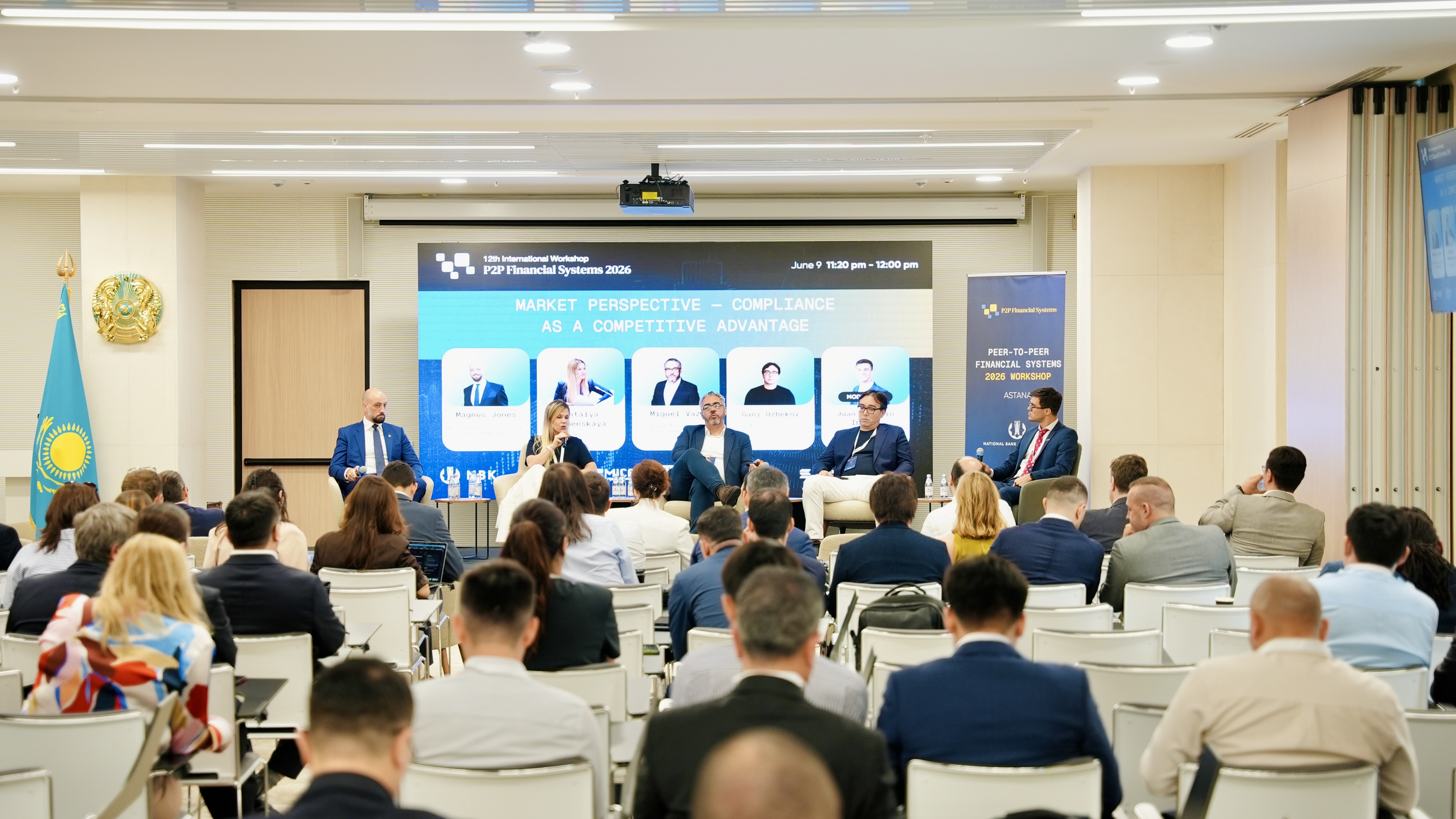
Market Perspective: Compliance as a Competitive Advantage
Juan joined Gani Uzbekov (S1lkPay), Magnus Jones (Nordic Blockchain Association), Miguel Vaz (Hauck Aufhäuser Digital Custody GmbH) and Natalia Romenskaya (PayNexa) to discuss how regulatory dialogue runs in both directions. The panel's central point was that compliance costs are real and material for firms operating across jurisdictions, but cost alone does not determine where firms choose to build. Predictability and consistency of regulatory plans weigh just as heavily on firms' decisions as the costs themselves, often more so. A regulator that is transparent about its trajectory, even where requirements are demanding, gives industry something it can plan around. A regulator that is unpredictable, even with lighter requirements, does not.

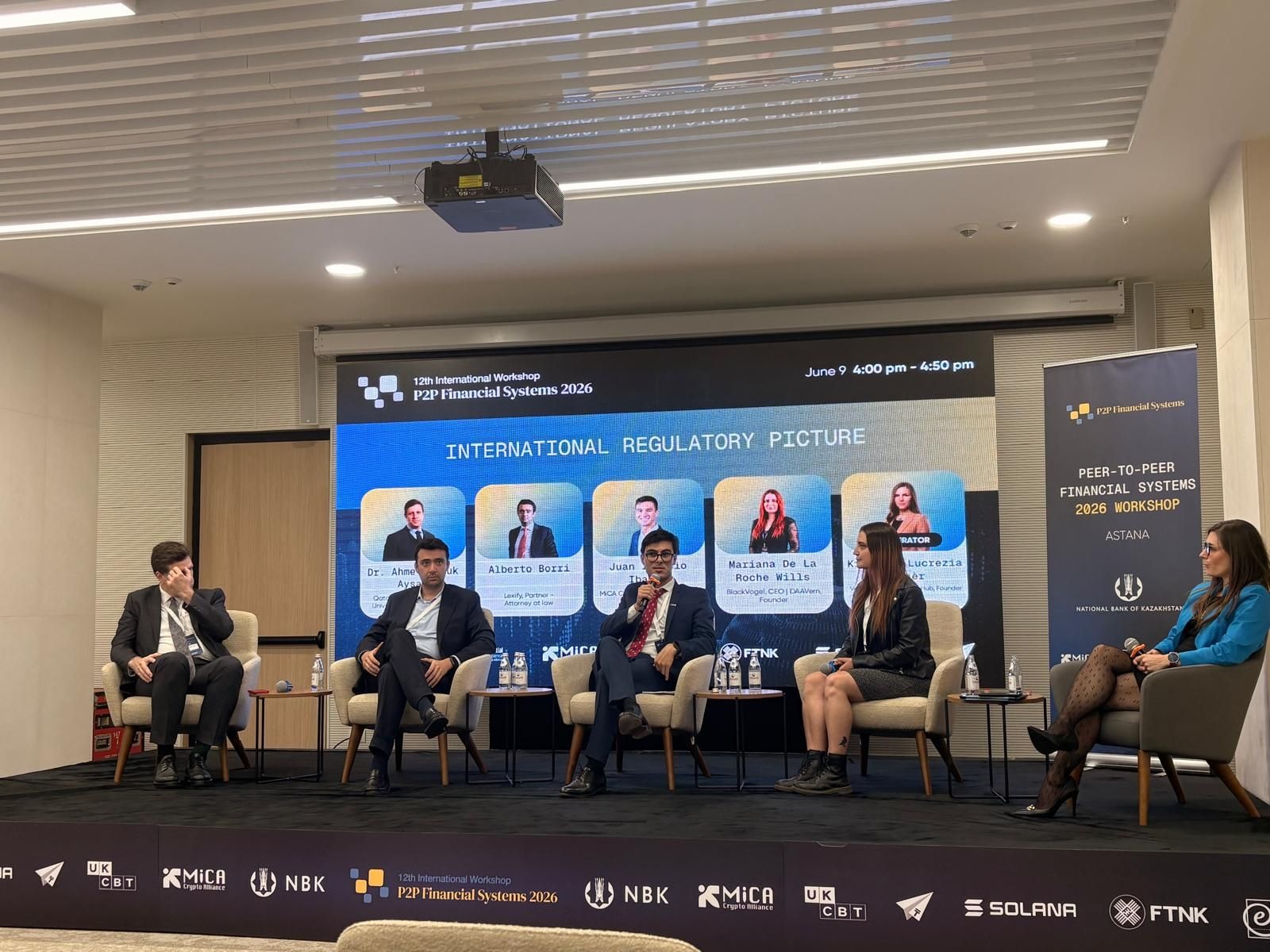
The International Regulatory Picture
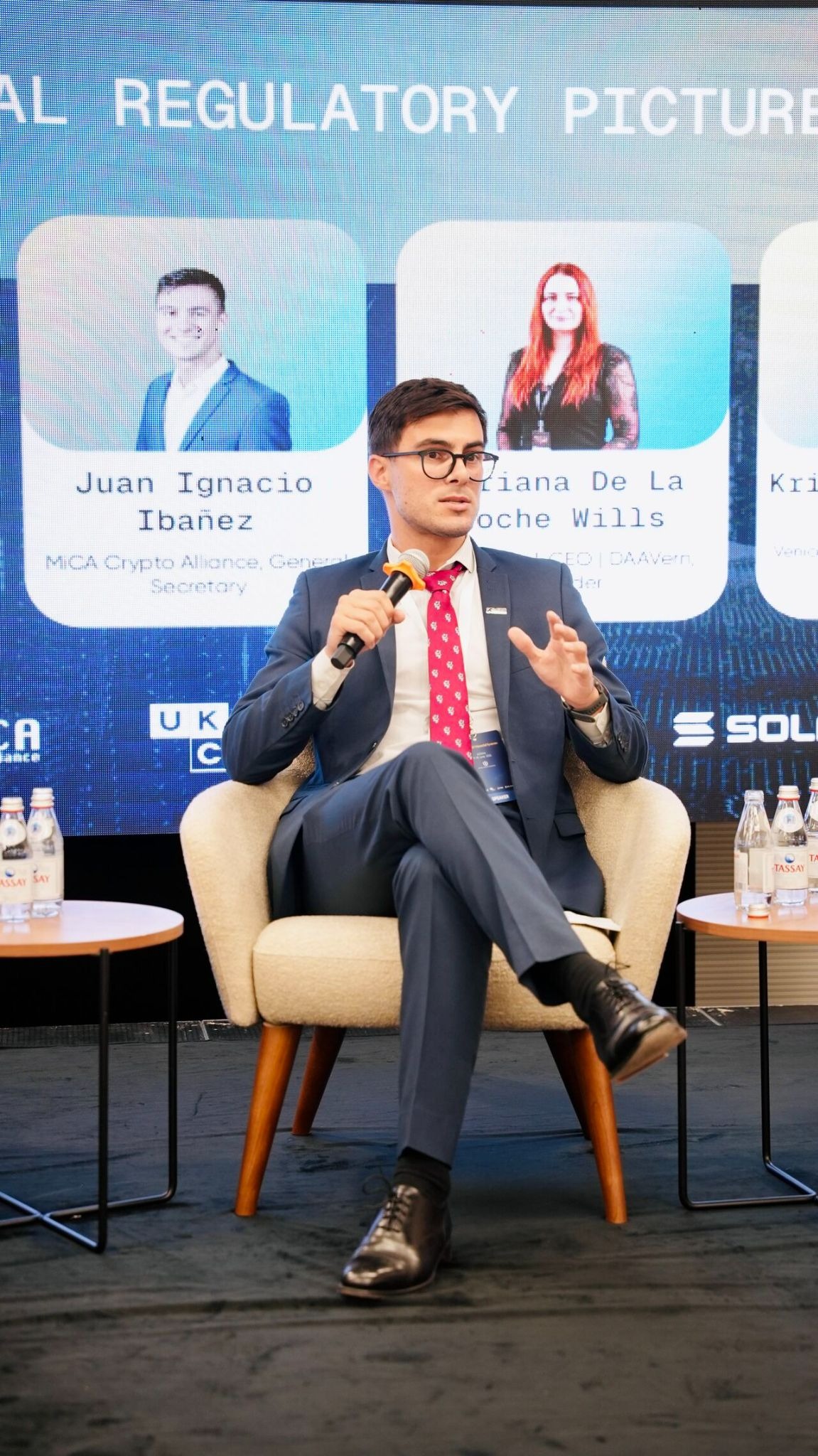
In the second panel, Juan was joined by Dr. Ahmet Faruk Aysan (HBKU), Avv. Alberto Borri (Lexify), Kristina Lucrezia Cornèr (Venice Innovation Tech Hub) and Mariana De La Roche Wills (BlackVogel) to map the global regulatory landscape around three pressure points: service provider oversight, stablecoin regulation, and the treatment of other digital assets. The discussion kept returning to one point: frameworks need real impact, paired with the honesty to challenge existing systems when they fall short. On asset classification specifically, the panel's assessment was that MiCA holds up reasonably well for CASPs at a local level and standard tokens. What remains unresolved, across every major regime, not only MiCA, are cross-jurisdictional matters (from shared order books to global stablecoins) and the legal treatment of non-standard assets such as wrapped tokens, bridged tokens and Liquid Staking Tokens (LSTs). Here, the Alliance's interim report on the Legal Classification of LSTs in the EU offers a starting point for these open questions.
Read our report on LSTs in the EU
Why this matters
Taken together, the two panels point to the same underlying argument from different angles. Compliance works as a competitive advantage when it is predictable, not merely when it is light. And regulatory frameworks earn credibility when they are honest about where the analysis is genuinely unresolved, rather than presenting classification questions as settled when they are not. Astana brought regulators, industry and legal practitioners into the same room to test both ideas against each other, which is exactly the kind of dialogue the Alliance looks to support.
Thank you to the National Bank of Kazakhstan and the P2P Financial Systems International Workshop for convening the conversation, and to all panel participants for such an enriching and insightful discussion.