

Devcon 8 in Mumbai: From Infrastructure to Applications

The global Ethereum community gathered at the Jio World Centre in Mumbai from 3 to 6 November for Devcon 8. The event asked what gets built once the infrastructure is in place. Mumbai’s answer was applications: payments, identity, private messaging, prediction markets and AI agents, with questions about law, trust and accountability running alongside them.
When announcing the event, the Ethereum Foundation pointed to more than 17 million developers on GitHub in India and said the country had been the largest source of new crypto developers since 2023. Developer sessions focused on what can be built today with the emphasis on solving real problems and improving user experience.
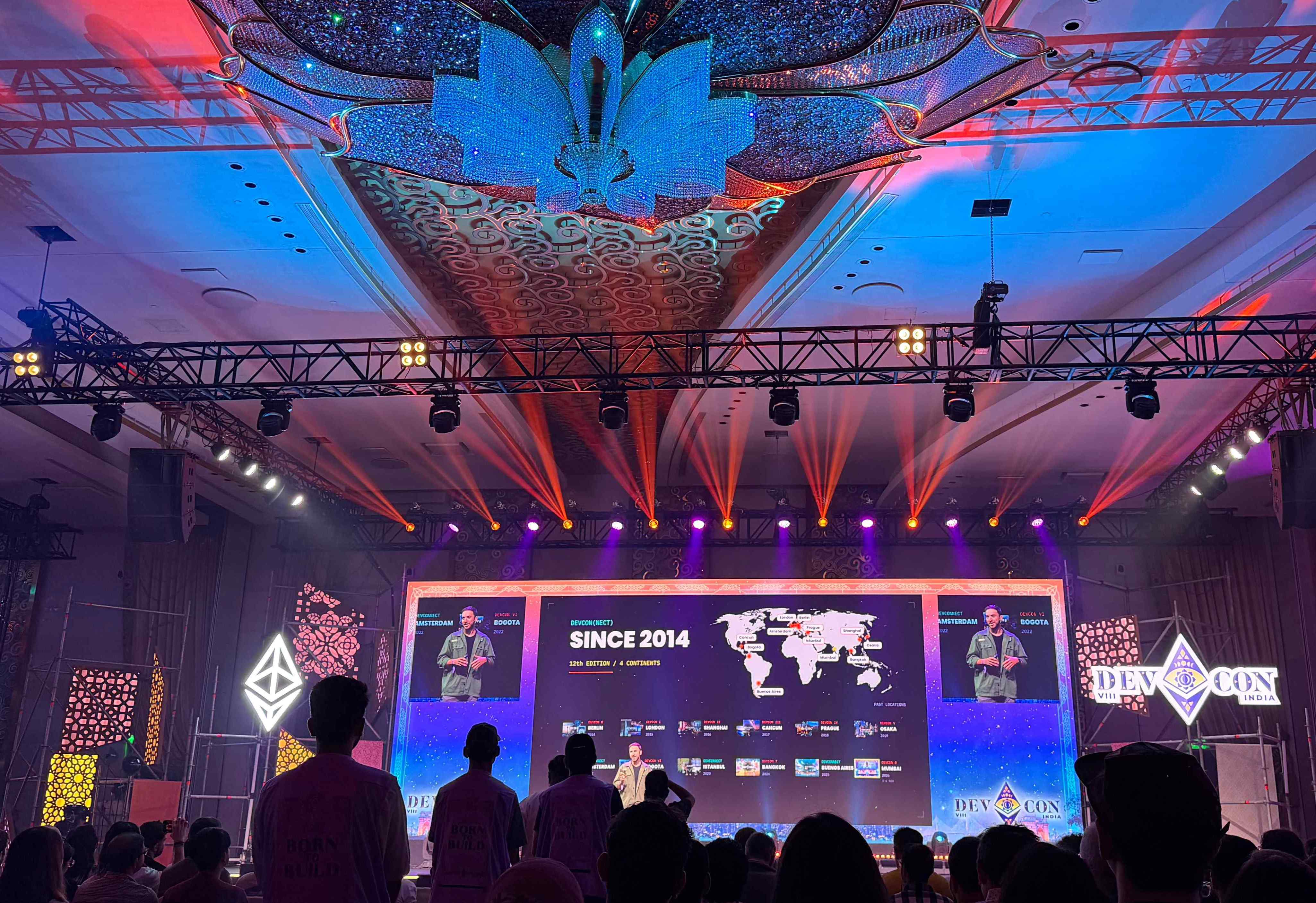
Aayush Ladda, Senior Business Analyst at the MiCA Crypto Alliance, attended Devcon 8 and several side events held around it.
Agents, privacy and trust
Keynotes and talks examined the foundations of trust and privacy in Web3, and the arrival of agentic payments, where an AI agent connects to financial infrastructure and carries out transactions on its own. That raises questions of identity, permissions and accountability.
Security was the other forward-looking theme. Quantum computing was discussed for its possible effect on current cryptographic systems, and for what blockchain networks will need to do to prepare for a post-quantum future. Formal verification featured as a way to build secure and resilient systems, including how AI-assisted verification could help developers find vulnerabilities before deployment.
Law and governance get their own space
The Legal & Governance Hub at Devcon8 gave these questions a dedicated room. Sessions covered the legal status of DAOs, autonomous AI agents and on-chain entities, along with privacy and digital credentials, and how existing legal frameworks can adapt to decentralised systems. The shared conclusion was that developers, lawyers, regulators and policymakers need to work together as the ecosystem matures.

UNICEF’s on-chain initiatives were among the examples of institutional use. They showed how public blockchain infrastructure can be explored beyond traditional finance, for public goods, transparent fund distribution, digital payments and development projects. The discussion turned on what meaningful institutional adoption looks like, and how it moves from pilots to applications that scale.
Beyond the main stage
Digital Asset Regulation, Policy and Global Compliance Roundtable
The most relevant side event for the Alliance was a roundtable on digital asset regulation, policy and global compliance, organised by Trilegal and Fractional at Trilegal’s Mumbai office. Web3 lawyers, regulatory professionals and compliance teams compared approaches to digital assets across several jurisdictions. Aayush drew the EU, US, UK and Indian frameworks into the comparison, and other participants added their own experience of Dubai, Singapore and other markets.
Lessons from the implementation of MiCA were on the agenda, along with the difficulty of setting consistent global compliance standards and the role of regulatory clarity in encouraging institutional participation. For an emerging market such as India, it was also a chance to learn from other countries’ implementation experience.

Unchained Summit India
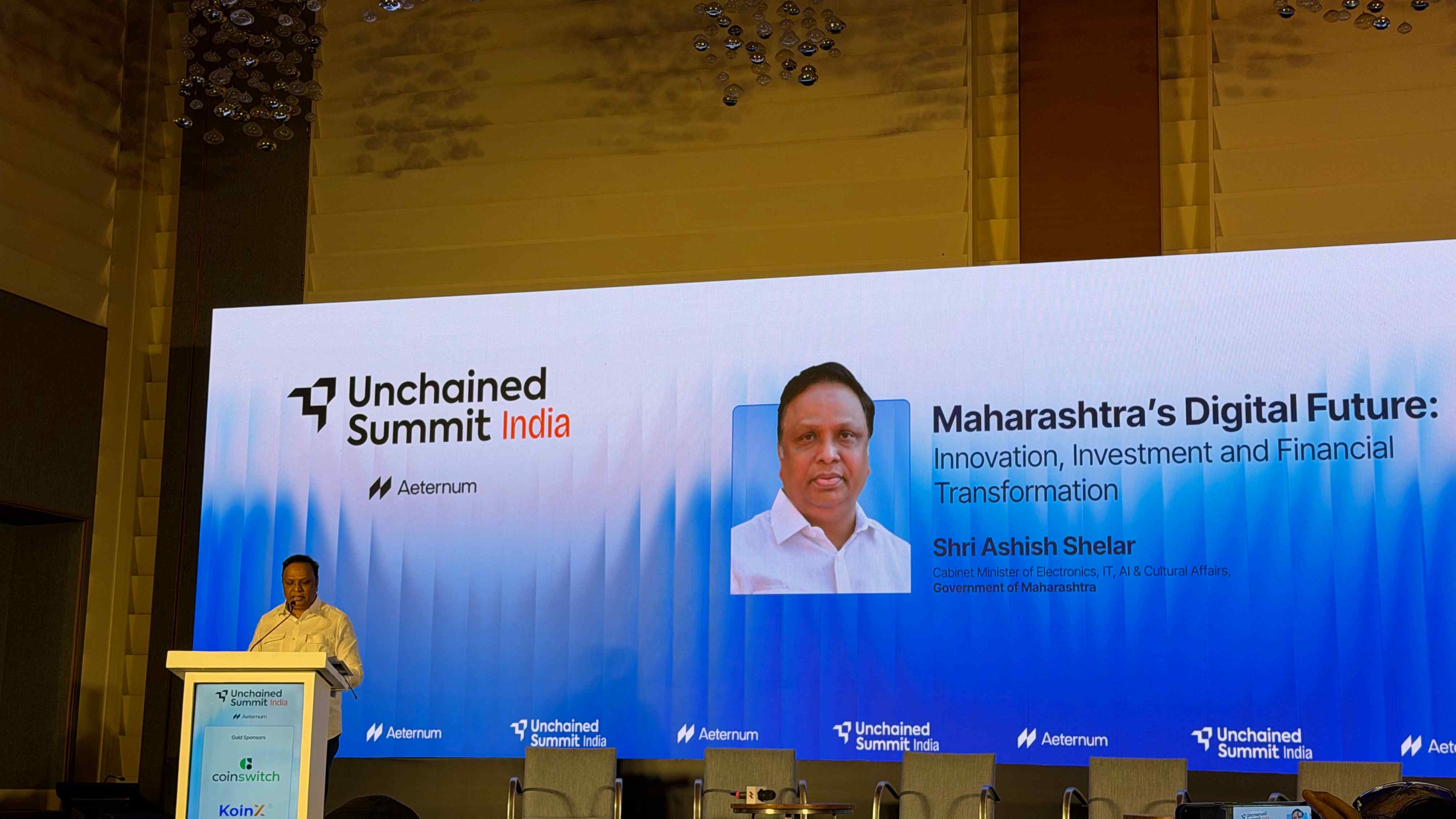
Unchained Summit India took a more institutional view on 5 and 6 November at the Courtyard by Marriott Mumbai International Airport. Discussions covered institutional adoption, tokenisation of real-world assets, DeFi 2.0, AI’s role in Web3 and digital asset regulation. Ashish Shelar, Maharashtra’s Cabinet Minister for Electronics, Information Technology, Artificial Intelligence and Cultural Affairs, gave a special address on the state’s digital future, innovation, investment and financial transformation.
The summit showed institutional investors, policymakers and traditional market participants engaging more with digital assets.
ArbiVerse Mumbai
ArbiVerse Mumbai, a meet-and-greet for the Arbitrum ecosystem at the Taj Santacruz, brought developers, founders and partners together around scaling, zero-knowledge technology, account abstraction, agentic payments and AI-driven development.
What Devcon 8 left open
Two threads ran through the week: AI agents and regulation. Agents featured at the main conference, at an Arbitrum meet-up and at an institutional summit. Regulation featured in developer sessions, at a lawyers’ roundtable and at that same summit. Agents are where the two meet. An agent that pays or verifies identity on a person’s behalf raises questions of permission and accountability, and the legal status of autonomous agents was already on the Legal & Governance Hub’s agenda. How those questions are answered is likely to shape what gets built next.
Building something for users in the EU or UK? Reach out to our compliance specialists today. Tell us what you are working toward and we will tailor a solution that fits your needs.


